1. Bitumen Testing Equipment (Binder Properties & Rheology)
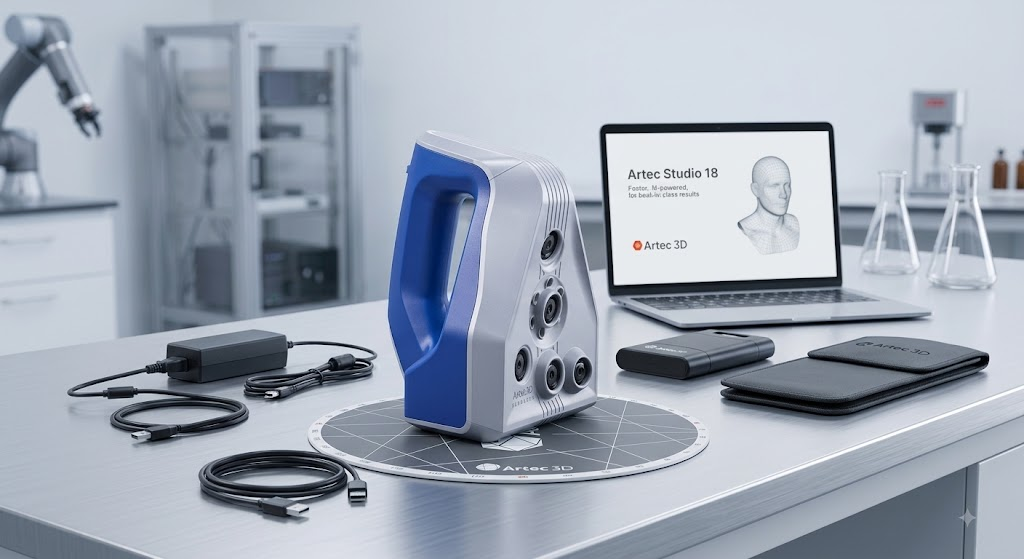
AntonPaar MCR Rheometer
Description: High-end Dynamic Shear Rheometer (DSR) for modeling the complex viscoelastic and rheological behavior of binders.
PARAMETERS: Torque: 1 nNm to 200 mNm | Temp: -160 °C to +1000 °C | TruGap™ and TruStrain™
STANDARD: Manufacturer Specification (DSR)
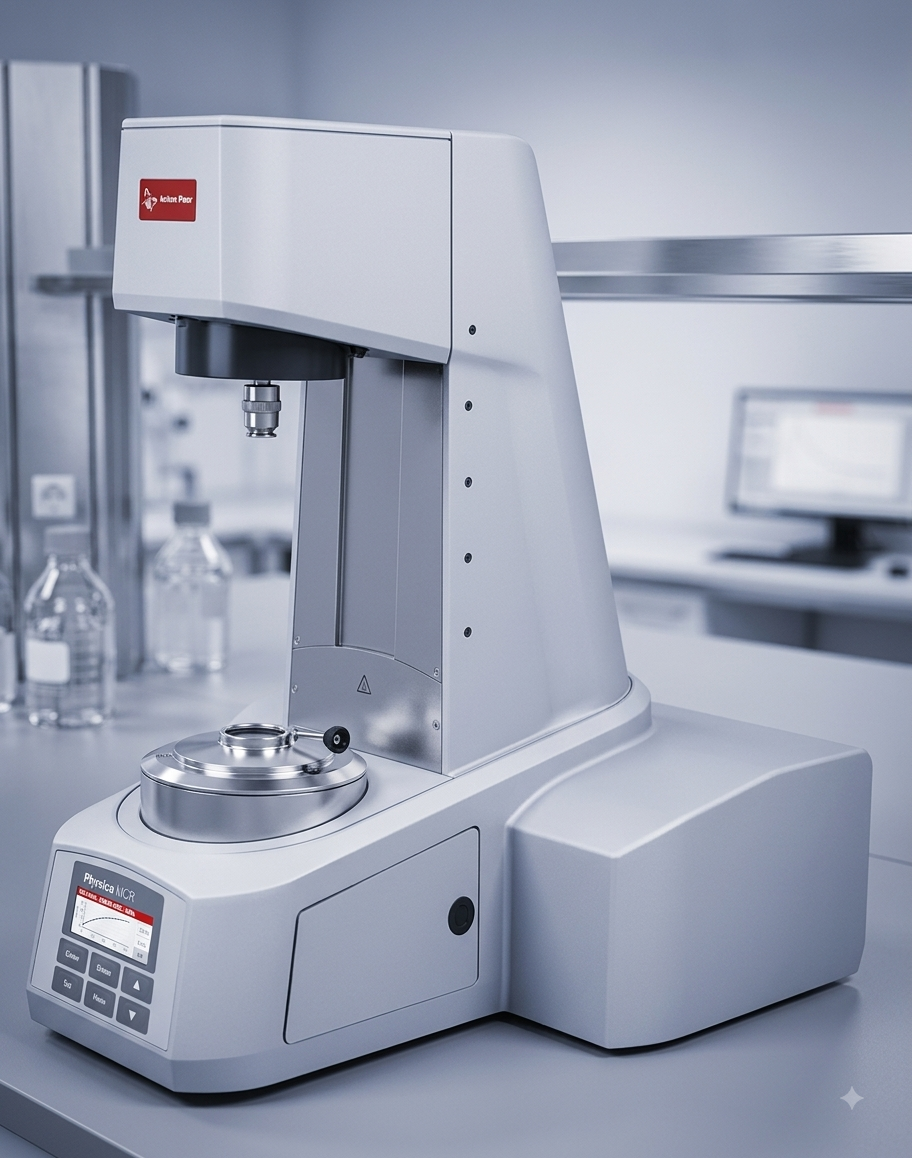
Ductilometer 1500 mm digital
Description: Determination of force ductility, cohesive properties, and elastic recovery of bitumens in a thermal-insulated water bath.
PARAMETERS: Feed rate: 1–50 mm/min | 4 samples simultaneously | 500 N load cell
STANDARD: EN 13398, EN 13589, EN 13703, ASTM D113
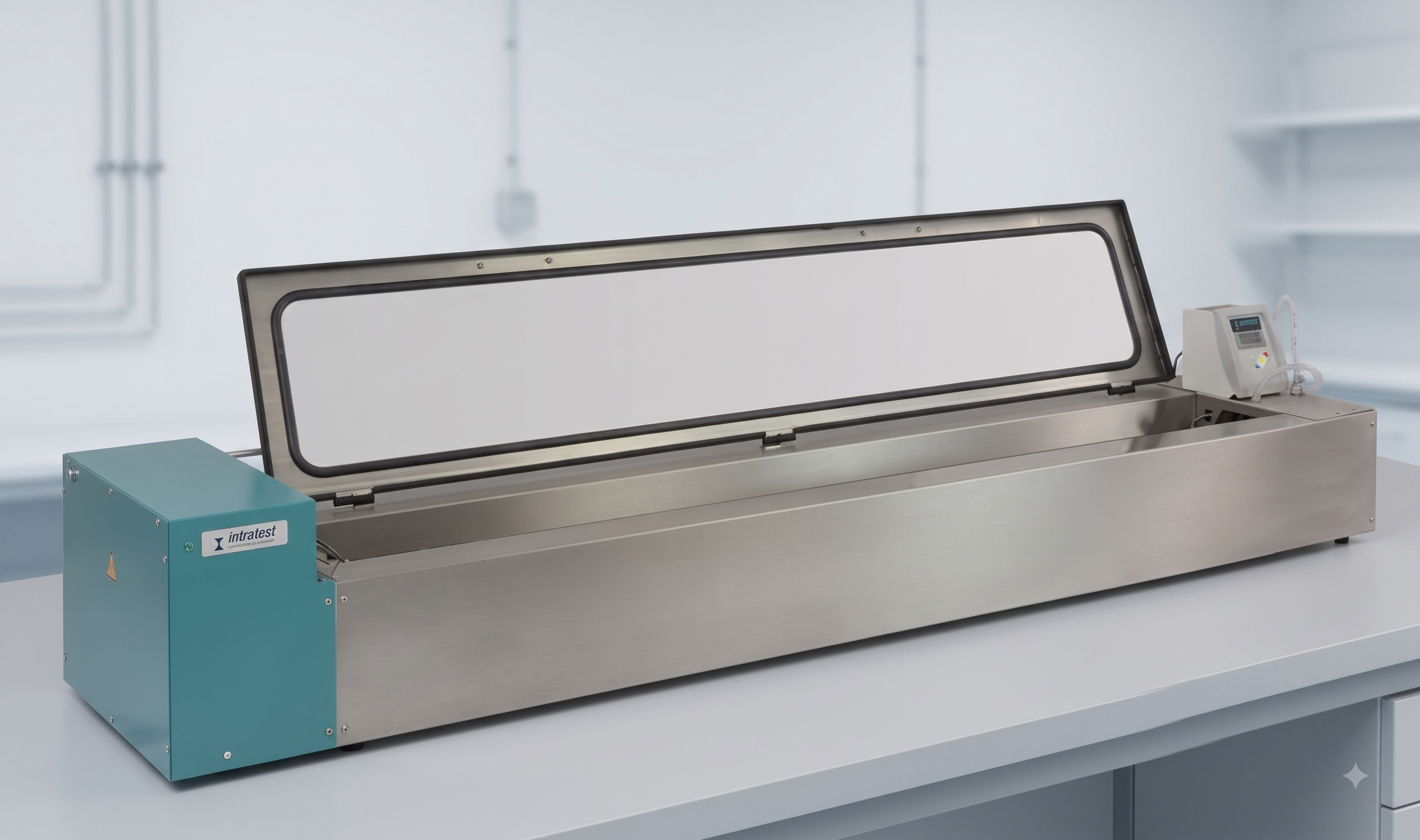
RTFOT Rolling Thin Film Oven
Description: Simulation of short-term aging processes of bituminous binders under the influence of heat and air.
PARAMETERS: Double glass window | Flowmeter | Digital PID | 8 test bottles
STANDARD: Controls 81-B0161/A specifications
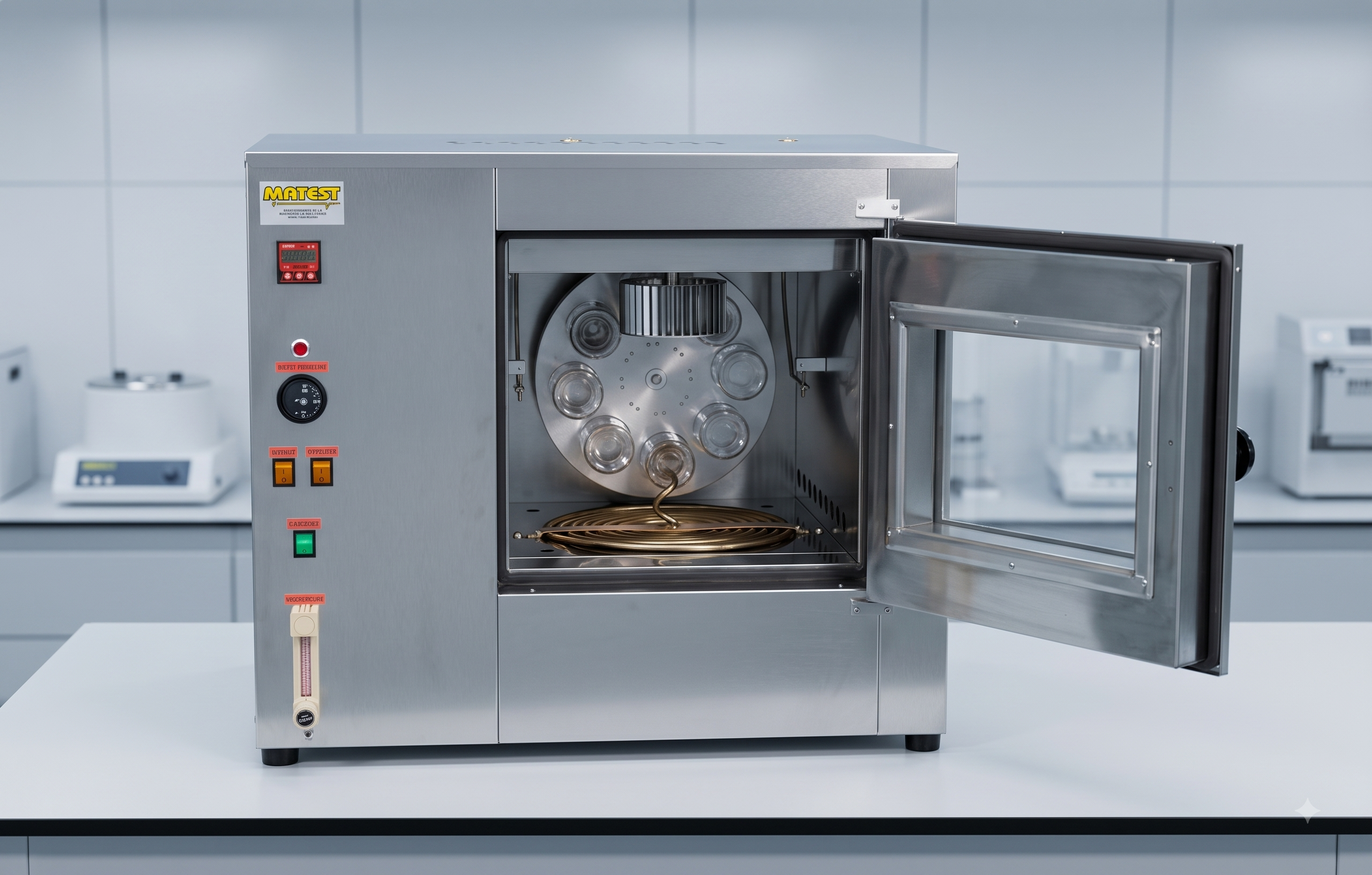
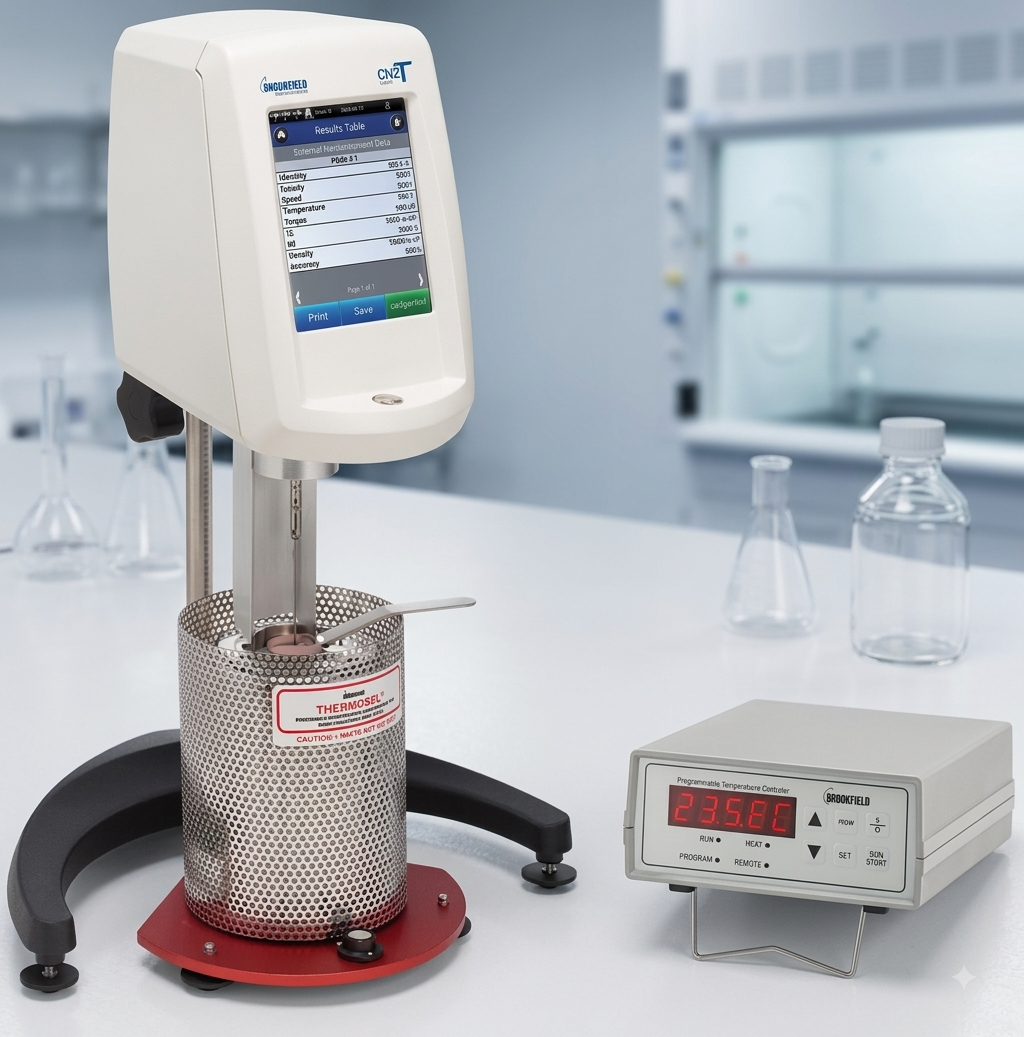
Brookfield DV2TRV Viscometer
Description: Determination of dynamic viscosity at variable rotational speeds and shear rates.
PARAMETERS: Speed range: Precisely adjustable between 0.1 – 200 RPM
STANDARD: Binder viscosity standards
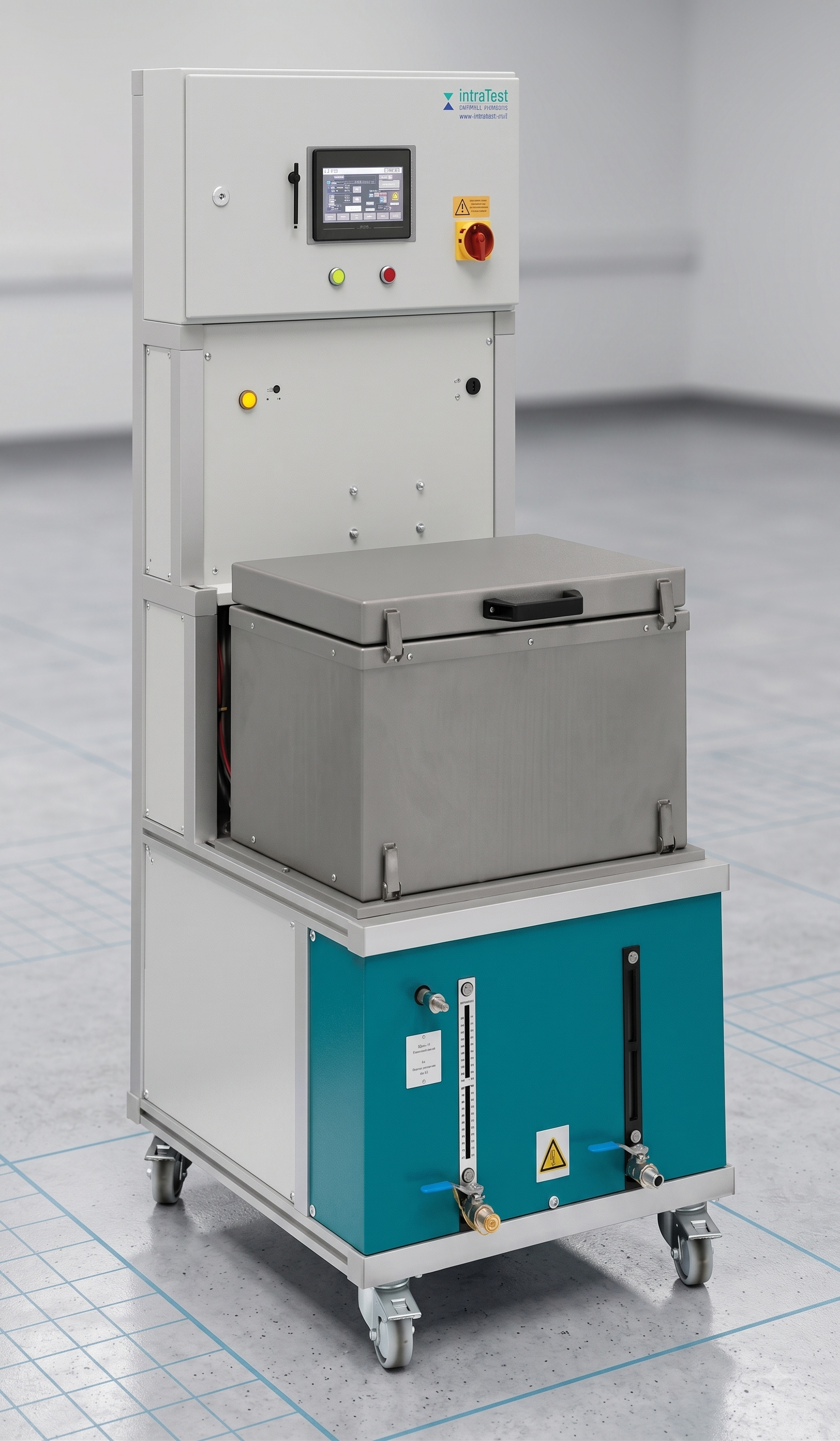
Bitumen Washer
Description: Safe, closed-system solvent cleaning of contaminated containers and laboratory equipment.
PARAMETERS: Stainless steel tank (500×300×300 mm) | Cycle time: 30–40 min
STANDARD: Laboratory safety standards
2. Asphalt Testing Equipment (Laboratory Mechanics & Composition)
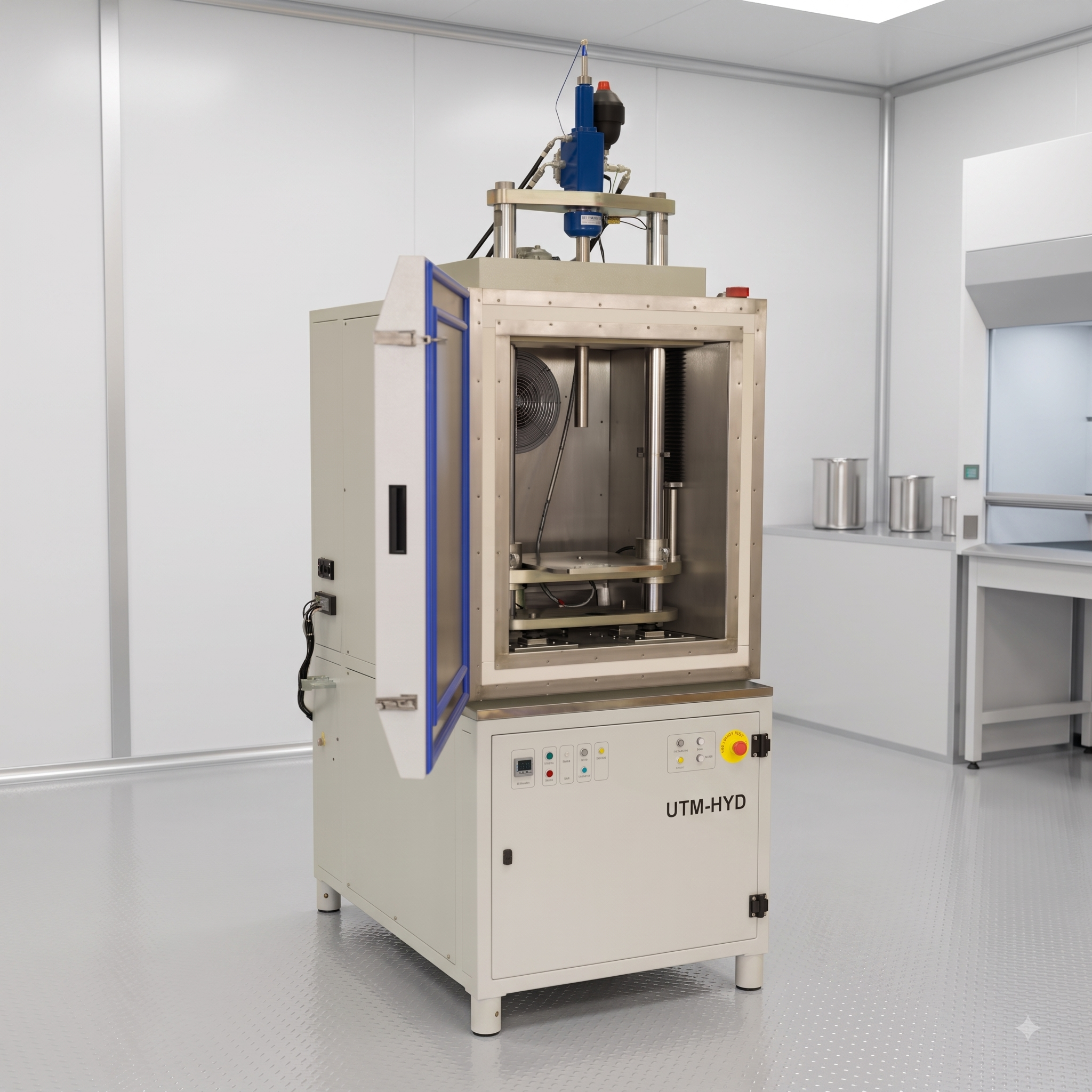
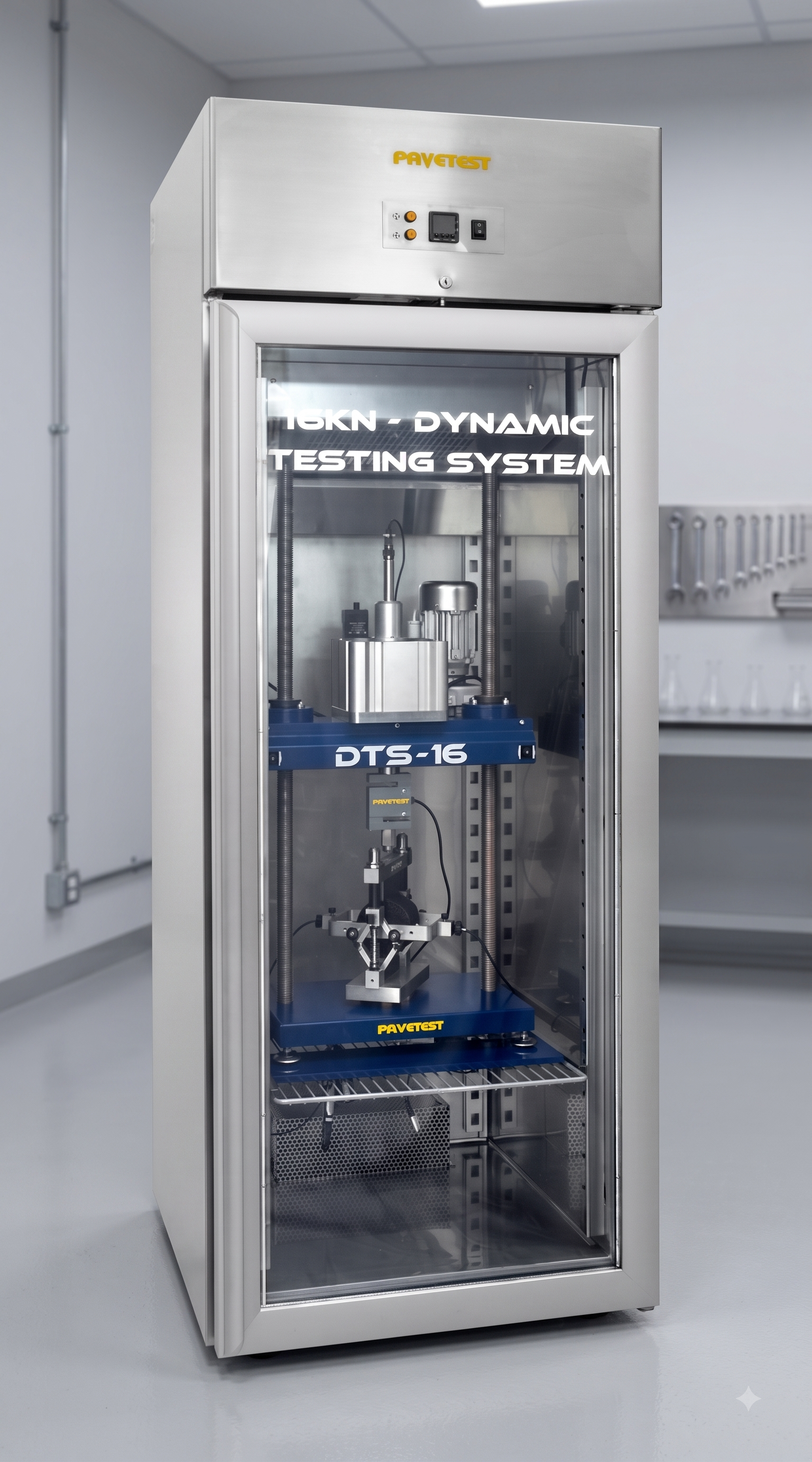
Universal Asphalt Testing System
Description: Servo-hydraulic measuring system for analyzing the dynamic and fatigue properties of asphalt mixtures.
PARAMETERS: Sinusoidal loading | Stiffness modulus | Creep tests (4PB-PR, IT-CY)
STANDARD: EN 12697-26 (Annex B and C)
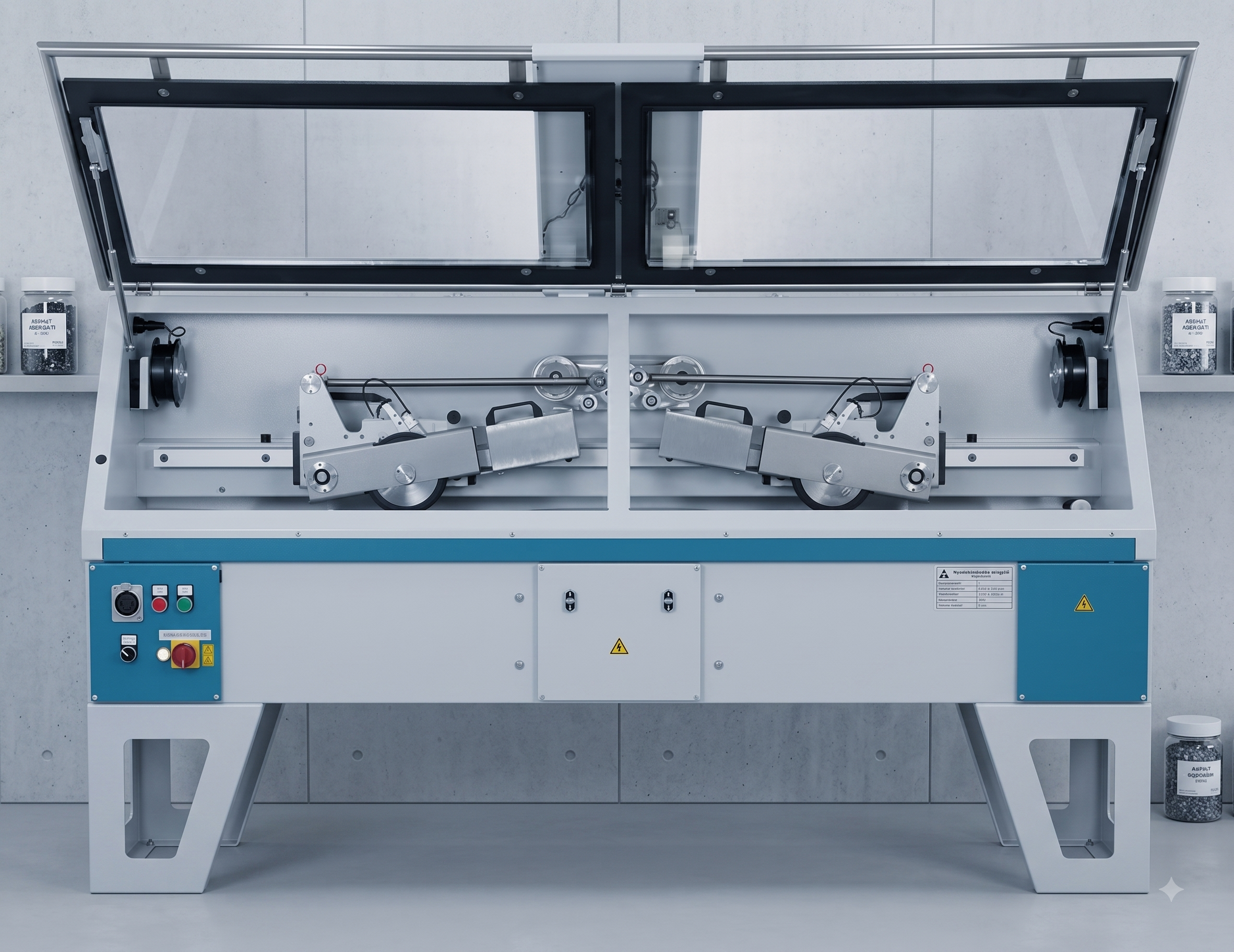
Wheel Tracking Tester
Description: Measurement of plastic deformation and rutting susceptibility under repeated loading.
PARAMETERS: Specimen: 260×320 mm | Load: 710 N | Water temp: 30–70 °C
STANDARD: EN 12697-22
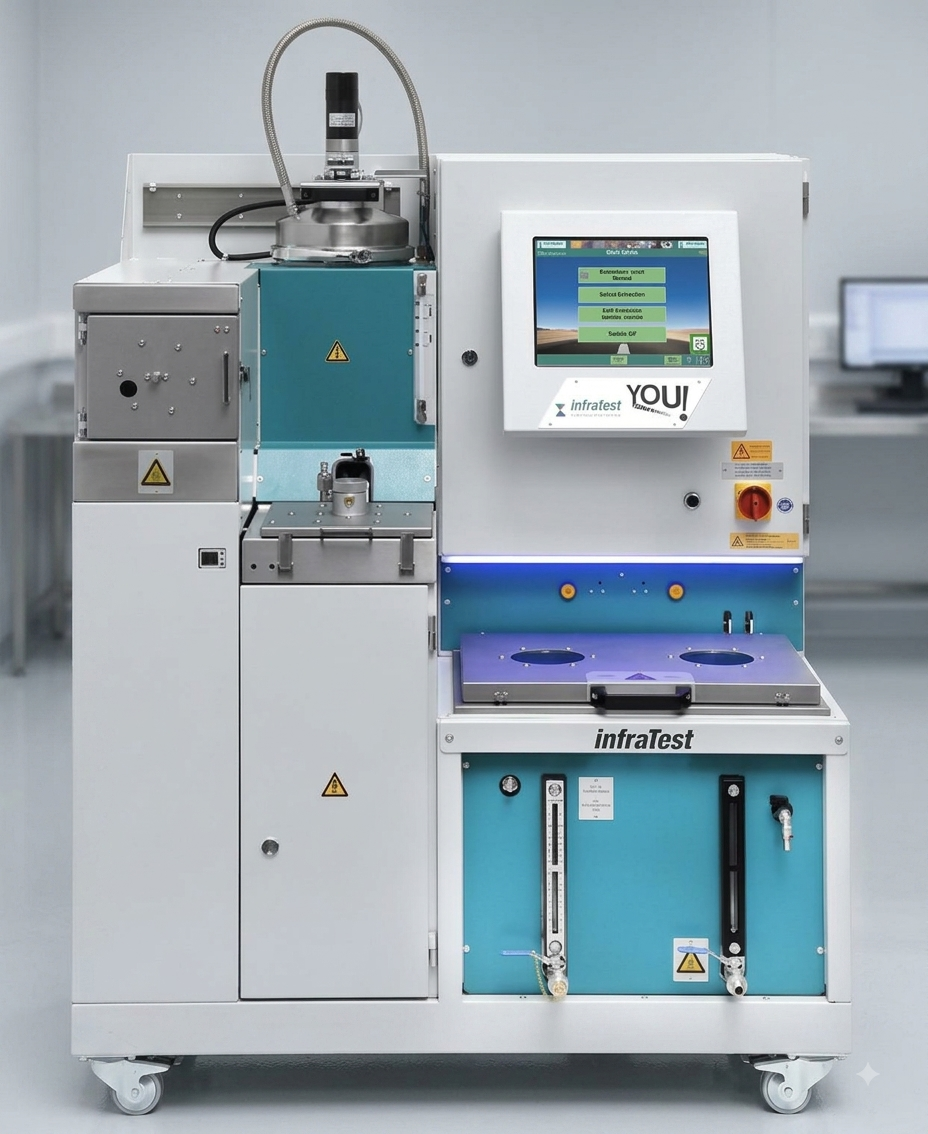
Asphalt Analyzer YOU PG
Description: Eco-friendly, automated, closed-system determination of asphalt composition.
PARAMETERS: Max 3.5 kg sample | Built-in ultracentrifuge | Vacuum distillation
STANDARD: EN 12697-1, EN 12697-2
Gyratory Compactor
Description: Preparation of asphalt specimens using the gyratory method to simulate real field compaction.
PARAMETERS: Computer-controlled | Real-time void content tracking
STANDARD: Specimen preparation standards
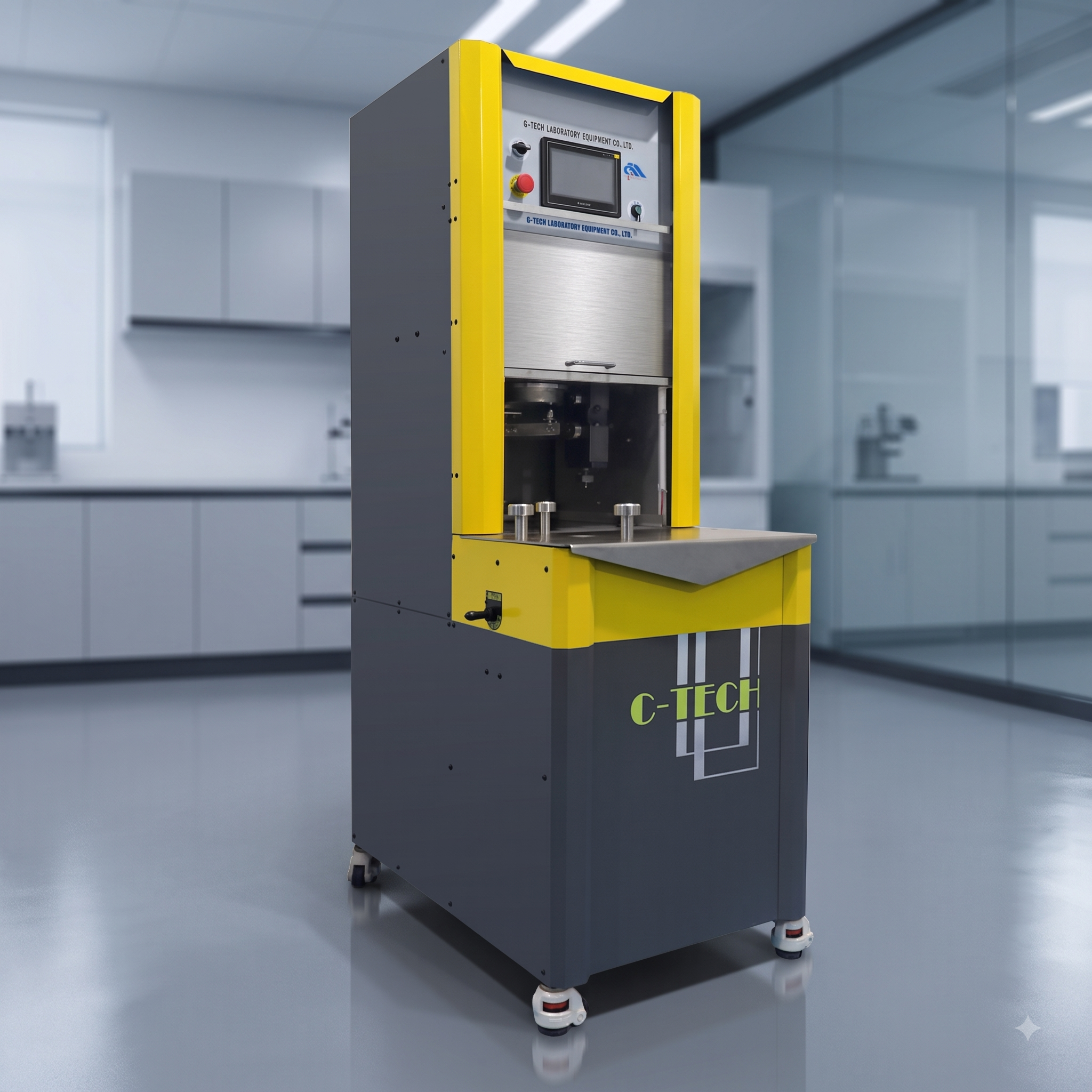
Marshall Testing Machine
Description: Measurement of specimen stability, flow, and indirect tensile strength (ITS).
PARAMETERS: Automated data acquisition | Breaking force recording
STANDARD: Laboratory design standards
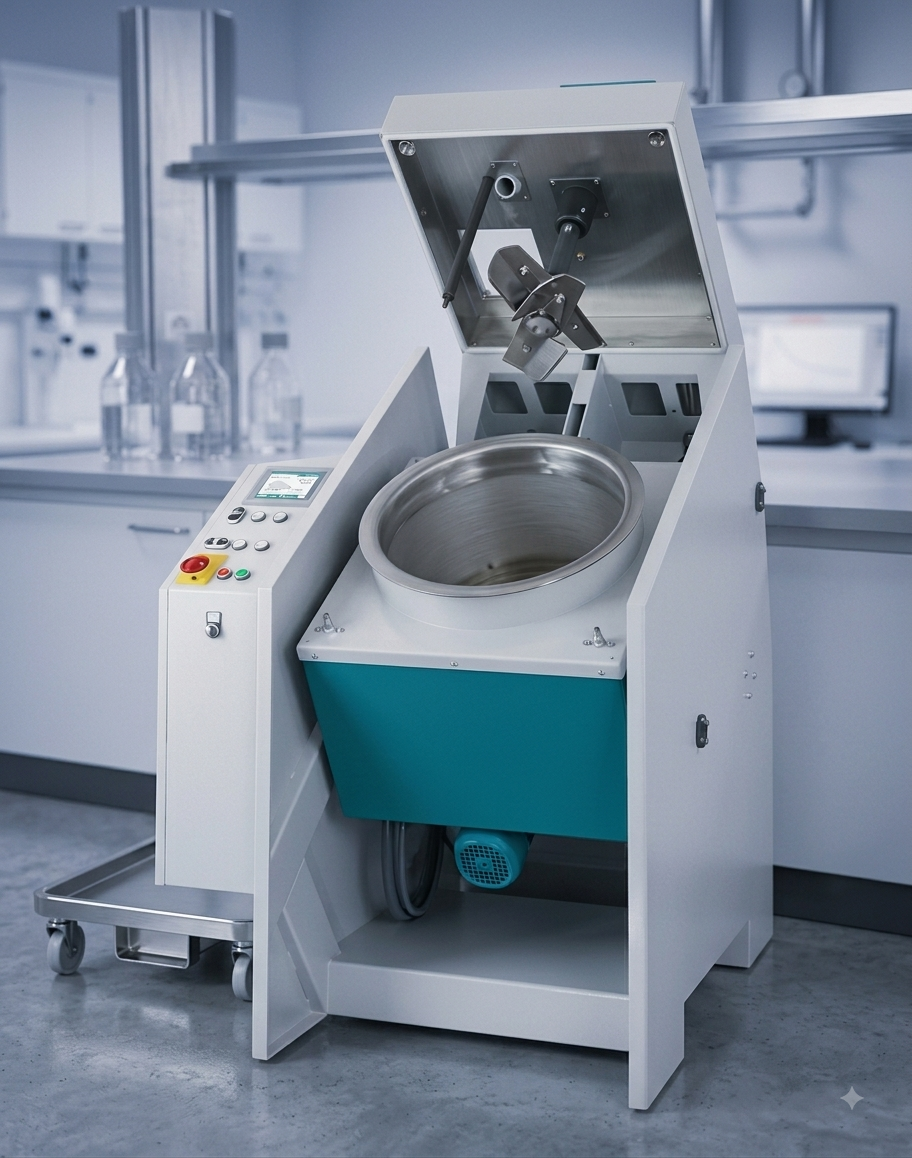
Laboratory Mixer (30 L)
Description: Production of homogeneous laboratory asphalt mixtures with precise temperature control.
PARAMETERS: 4–15 kg sample | Heating: 25–250 °C | Motorized tilting
STANDARD: EN 12697-35, BS 598-3, ASTM D 1559
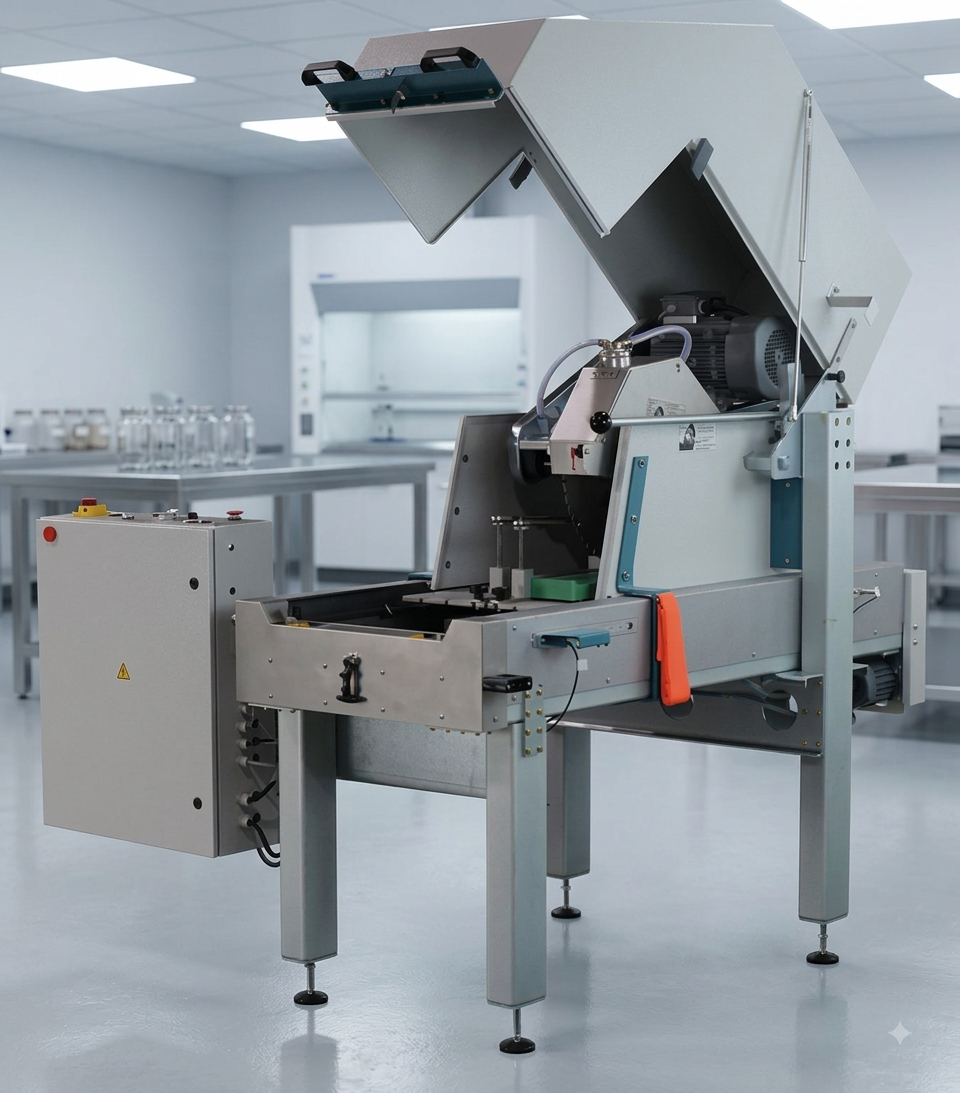
Cutting Machine
Description: Precision cutting of asphalt cores and laboratory beams to exact geometric dimensions.
PARAMETERS: Motorized sample table | Safety switch | 1-2 blades
STANDARD: Specimen preparation standards
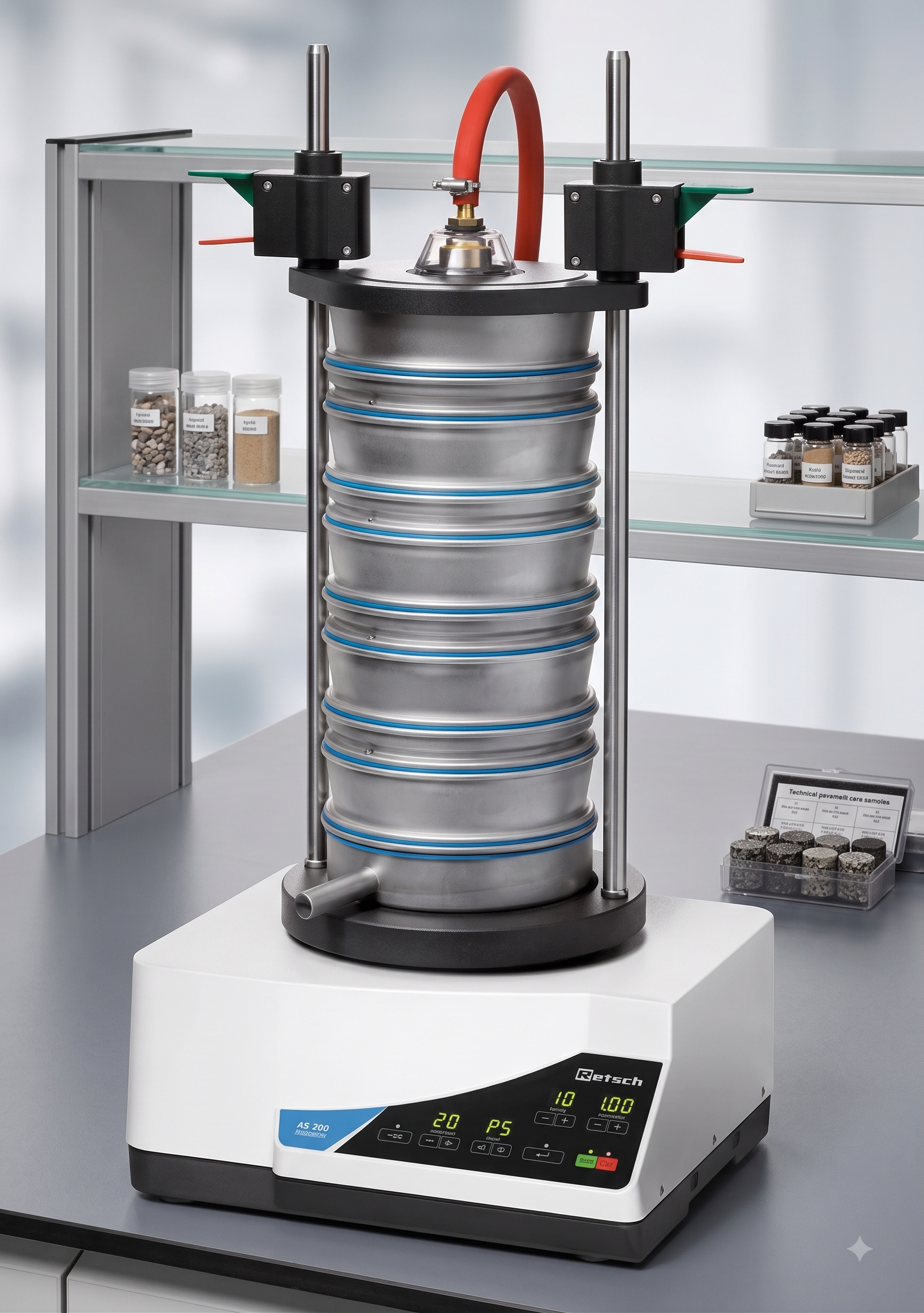
Universal Sieve Shaker
Description: Accurate determination of particle size distribution curves for washed or extracted aggregates.
PARAMETERS: For 200–450 mm sieves | 3D shaking | Wet sieving
STANDARD: Particle size distribution testing
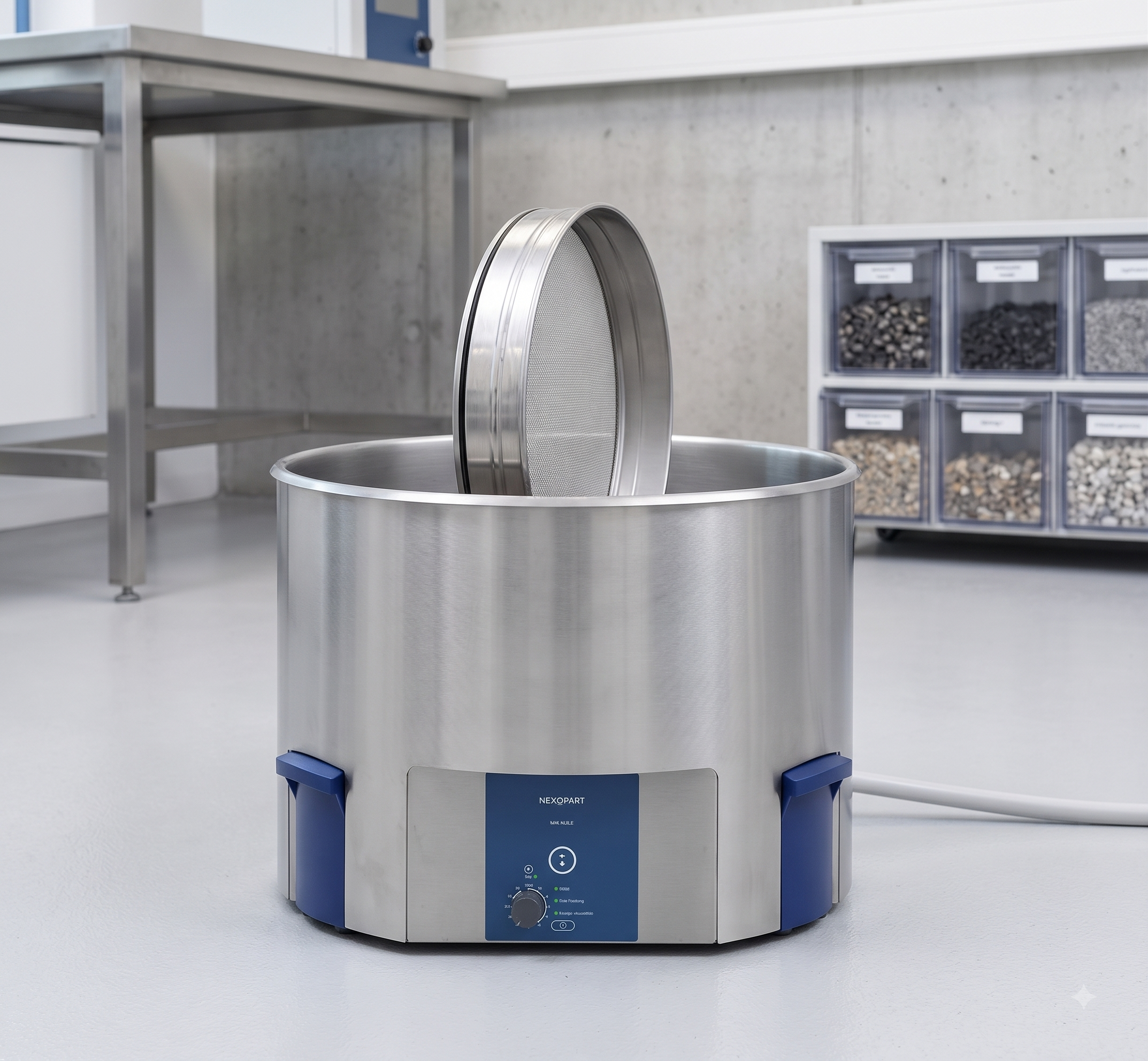
Ultrasonic Sieve Cleaner
Description: Non-destructive and thorough ultrasonic cleaning of analytical sieves.
PARAMETERS: Two sizes (200/500 mm) | Tank capacity: 3–25 L | 0–15 min timer
STANDARD: Maintenance standards
3. Nondestructive, In-Situ, and Pavement Diagnostic Instruments
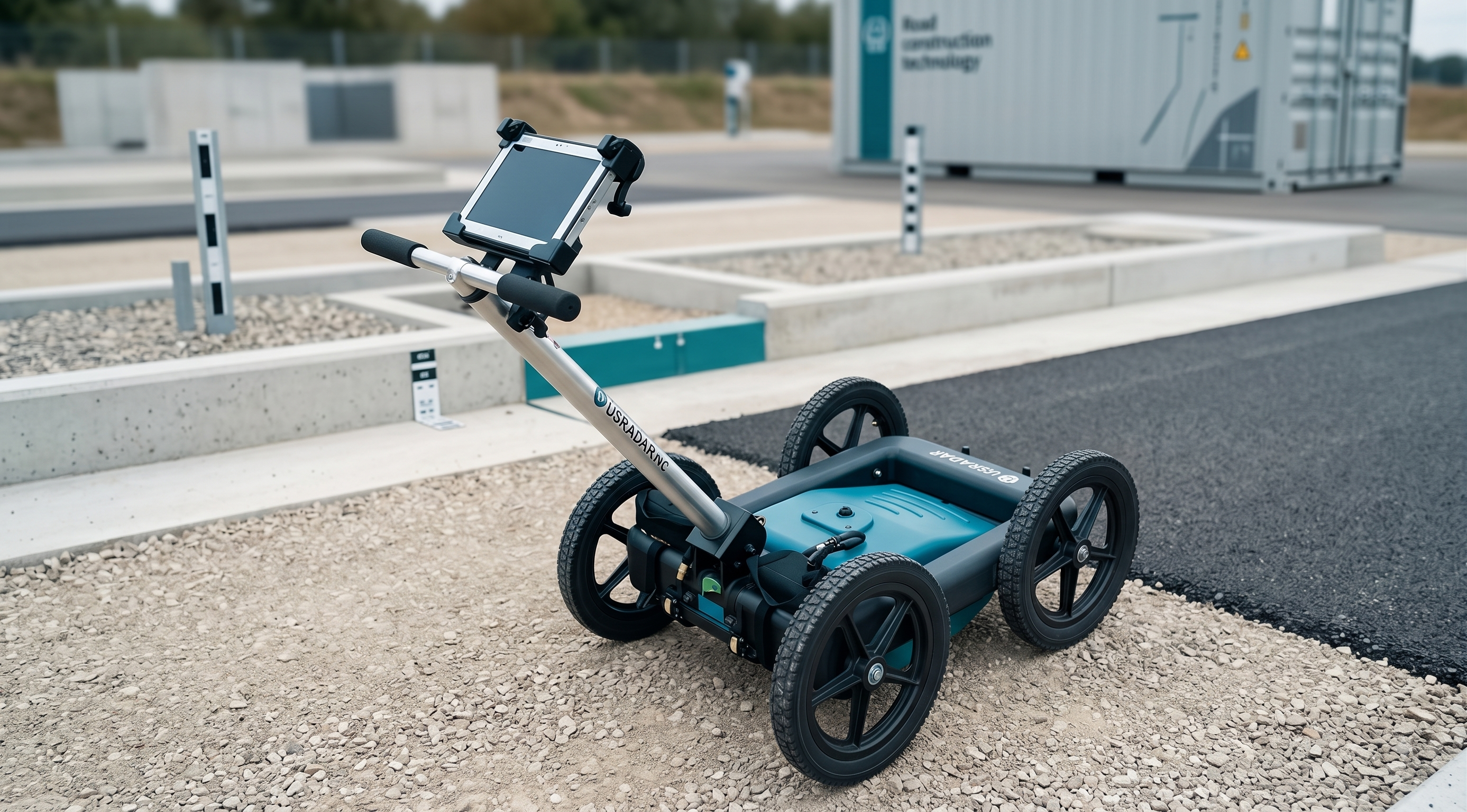
USRADAR Quantum GPR
Description: Triple-frequency ground penetrating radar for non-destructive mapping of pavement structure layers and defects.
PARAMETERS: Dynamic range: >130 dB | IP65 & MIL-STD | GETAC tablet
STANDARD: Pavement structure diagnostics
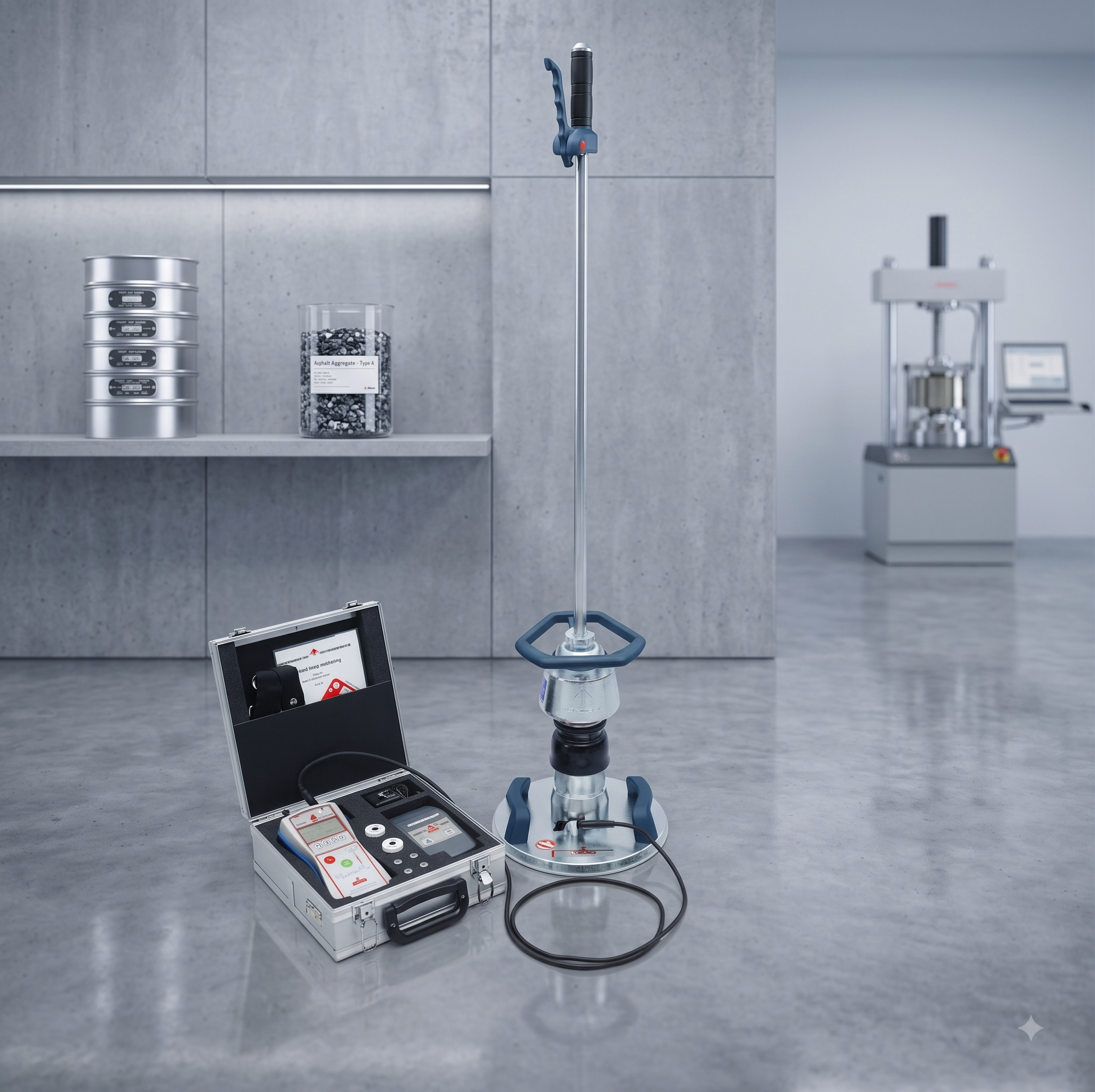
ZFG 3.0 ZORN Light Drop Weight Tester
Description: Light falling weight deflectometer for fast in-situ measurement of the dynamic deflection modulus (Evd).
PARAMETERS: 15–140 MN/m² | GPS data logging | 10 kg drop weight
STANDARD: e-UT 09.02.32, TP BF-StB, ASTM E2835
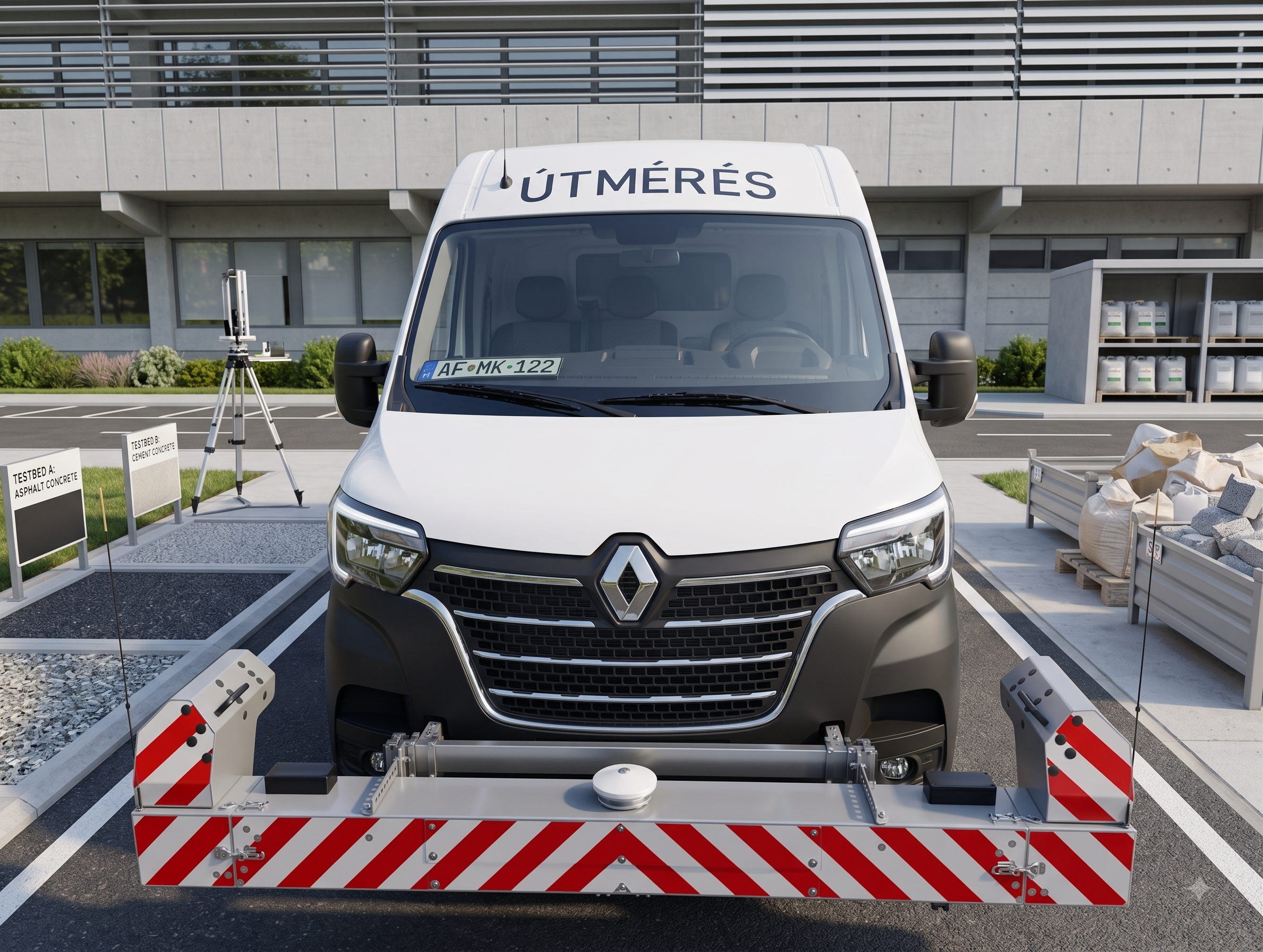
Dynatest MK-III Profiler (RSP)
Description: Laser measurement of longitudinal and transverse evenness as well as rutting on road surfaces.
PARAMETERS: 21 laser sensors | Real-time processing | GPS + Inertial
STANDARD: Pavement geometry standards
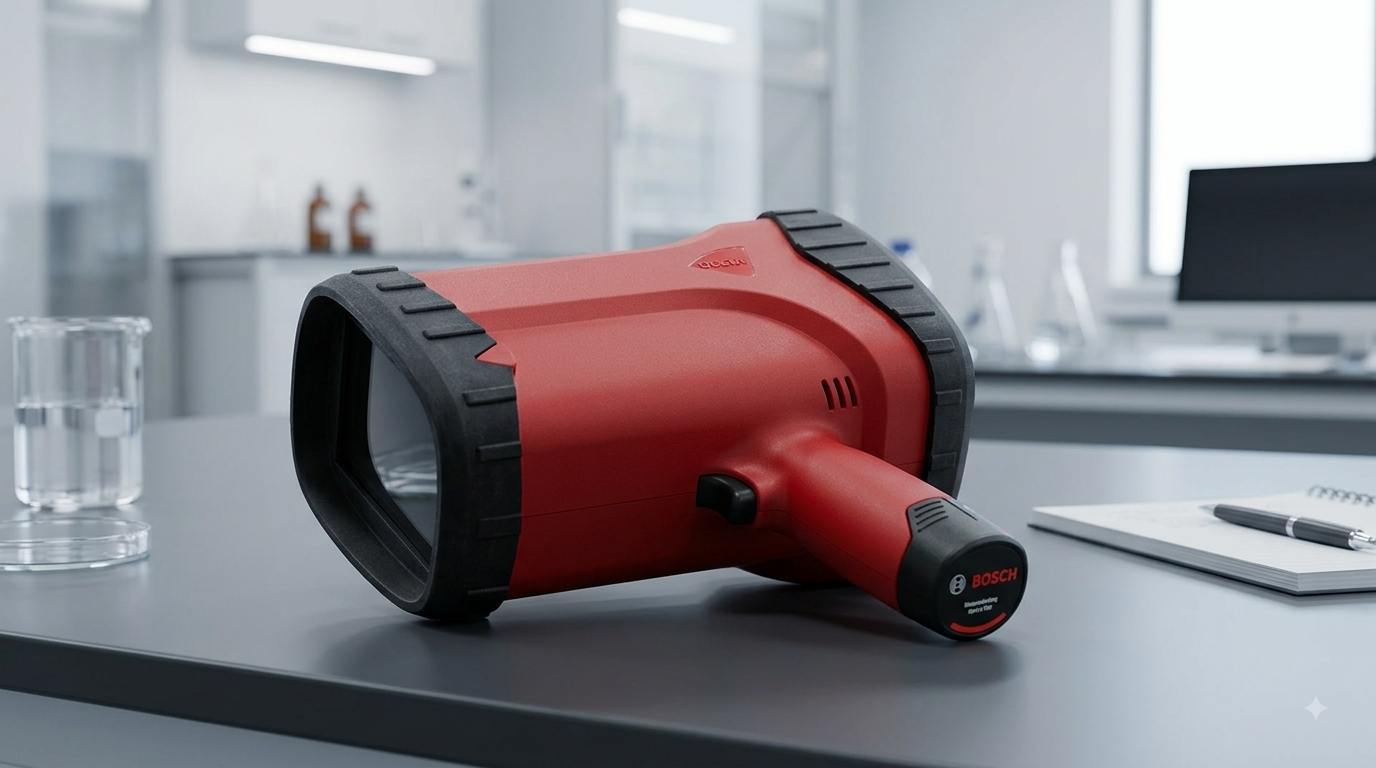
DELTA RetroSign GRX-3
Description: Visibility and retroreflection measurement of vertical traffic signs and high-visibility clothing.
PARAMETERS: Up to 7 observation angles | Auto color recognition | QR calibration
STANDARD: EN 12899, EN 20471
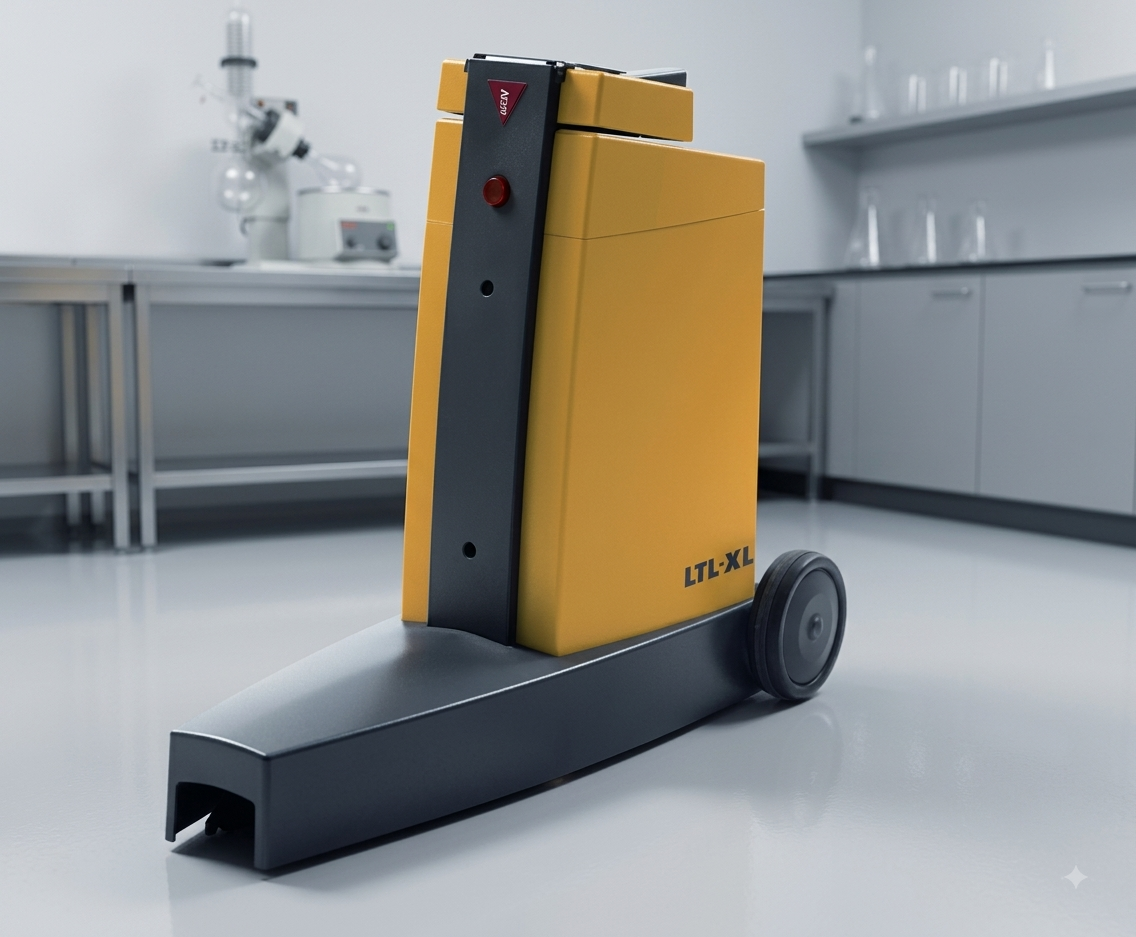
Delta LTL-XL Retrometer
Description: Targeted, portable field inspection of road marking visibility.
PARAMETERS: Observation angle: 2.29° | View distance: 30 m | Min. surface area: 50 cm²
STANDARD: ISO/CIE 10526 illuminant standard
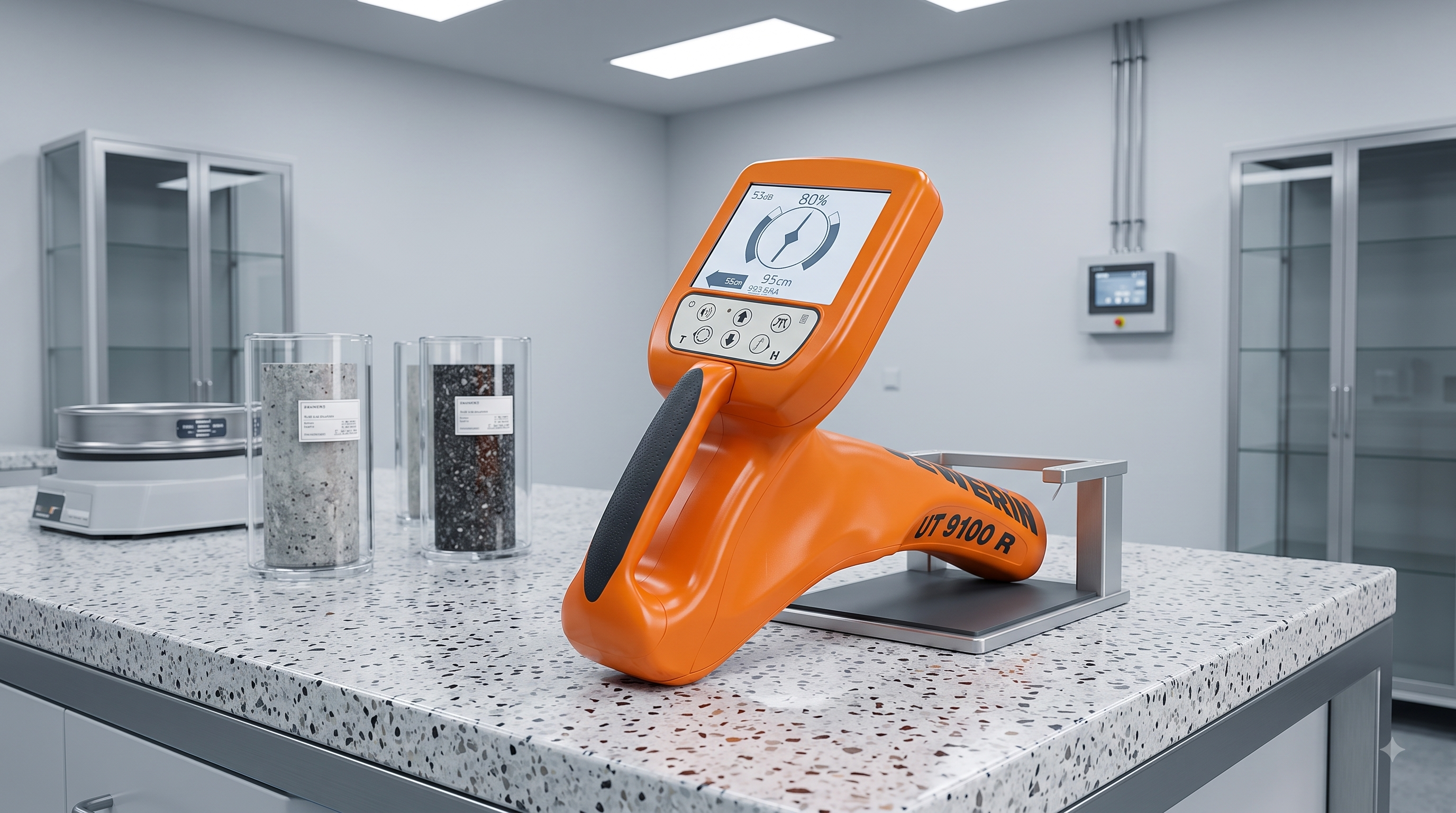
Sewerin Pipe Locator
Description: Precision underground location of metallic and non-metallic pipes and cables.
PARAMETERS: Centimeter accuracy | Weatherproof design for tough terrain
STANDARD: UT 9200/9100/930 systems
Radar Traffic Counter (SDR)
Description: Deployable radar-based traffic classifier and data collector without stopping traffic.
PARAMETERS: 24.125 GHz | Speed: 3–199 km/h | Solar powered | BT/GPRS
STANDARD: Traffic planning standards
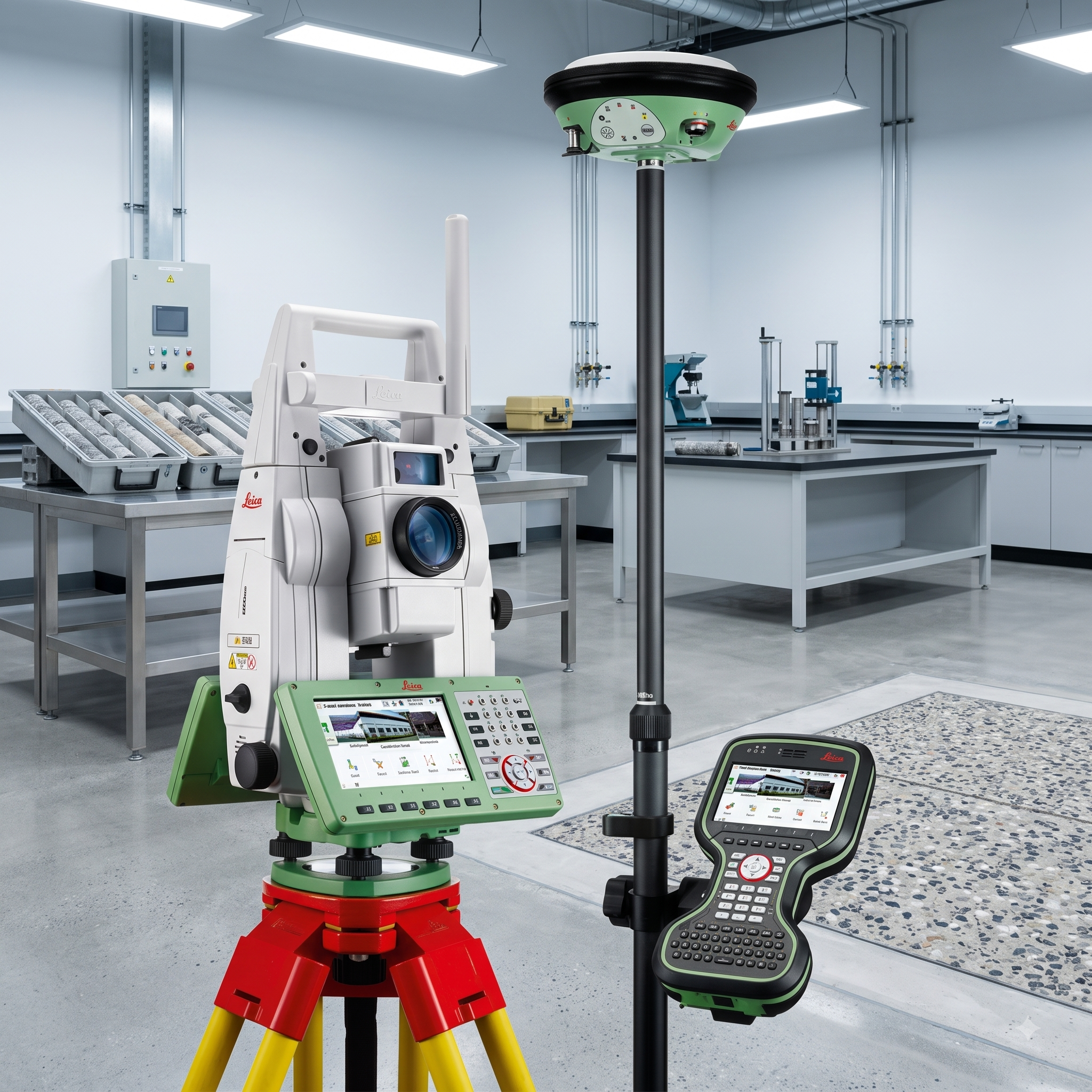
Leica TS16 Total Station
Description: Robotic geodetic total station for precision surveying and structural monitoring.
PARAMETERS: ATRplus target recognition | AutoHeight | LOC8 fleet tracking
STANDARD: Construction site & BIM standards
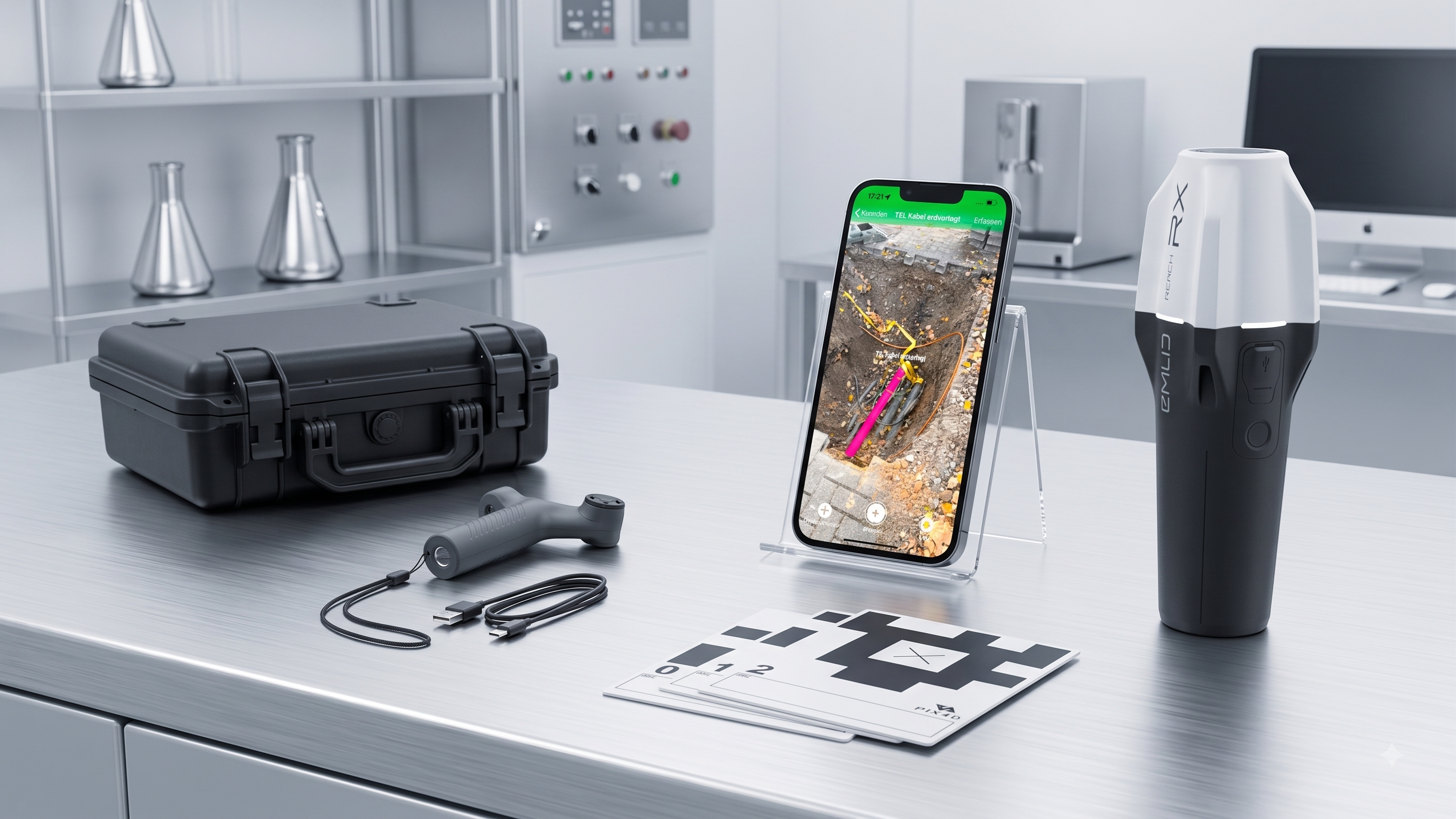
GEOACE Surveying System
Description: Software/hardware solution transforming smartphones/tablets into centimeter-accurate surveying systems.
PARAMETERS: Visual SLAM & AR | GNSS-free indoor operation | CAD export
STANDARD: Digital mapping
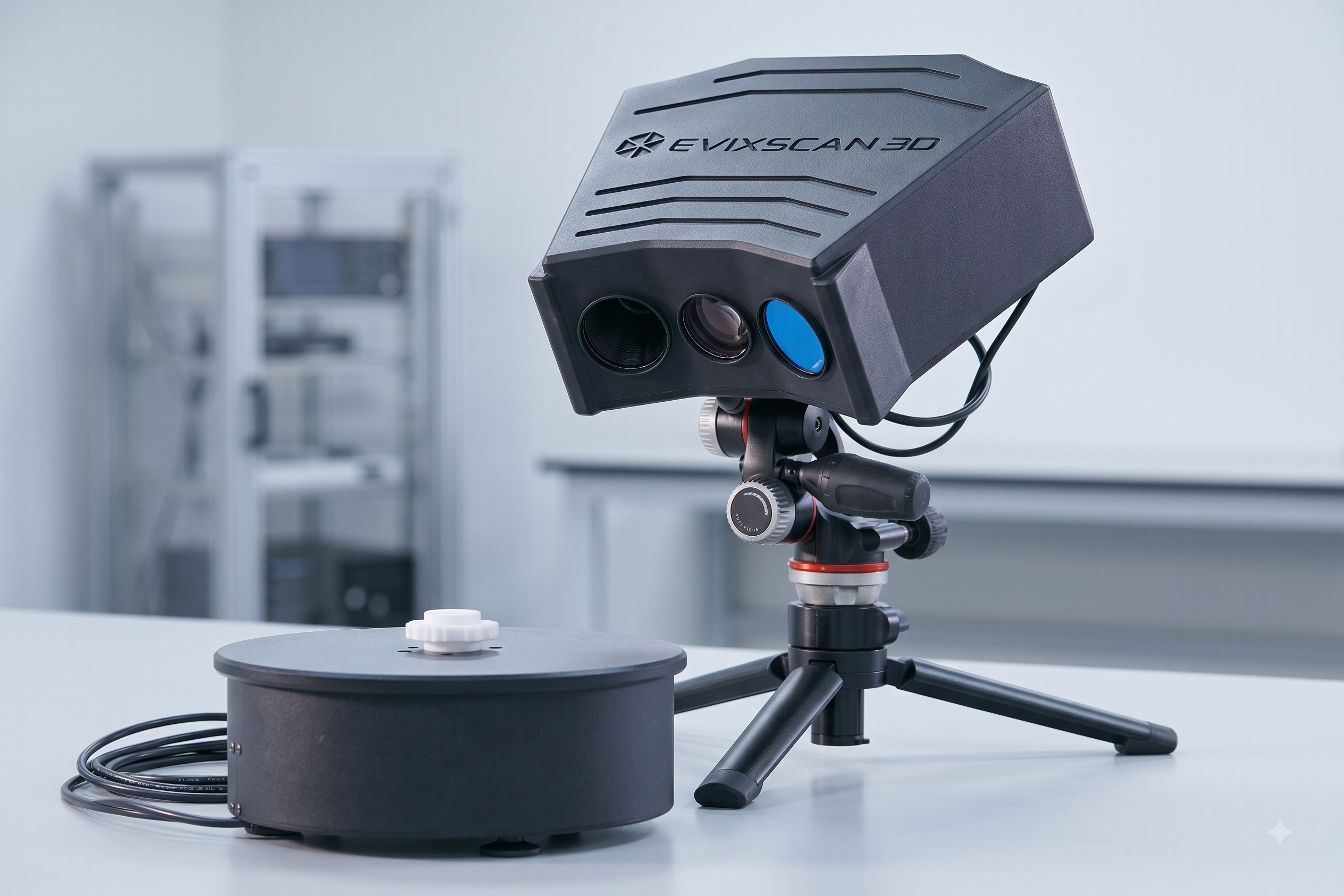
eviXscan 3D FinePrecision
Description: High-precision surface scanning of small components or wear patterns.
PARAMETERS: Blue LED | 6 µm accuracy | 28 µm resolution | Works on dark surfaces
STANDARD: Precision engineering
Artec Space Spider Scanner
Description: Portable 3D scanner for in-situ digitization of specimens with complex geometry.
PARAMETERS: Temperature stabilization | Ready in 3 mins | ISS certified
STANDARD: Quality control